Trump Pushes Diplomacy as Israel-Iran Tensions Rise
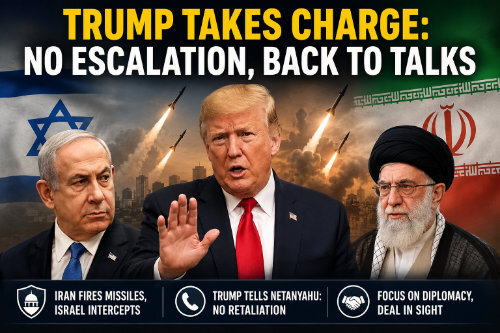
The Middle East remained on edge this week as renewed missile exchanges between Iran and Israel threatened to undermine a fragile ceasefire and ongoing diplomatic efforts. At the center of the latest developments is U.S. President Donald Trump, who publicly urged Israeli Prime Minister Benjamin Netanyahu to avoid an immediate military response following Iran's latest missile attack.
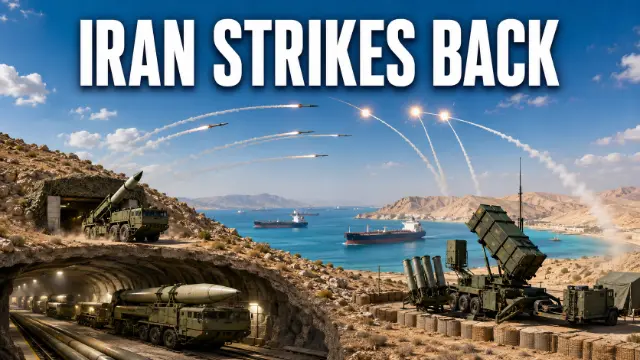
According to multiple reports, Iran launched several missile salvos toward Israel on Sunday, marking a significant escalation in tensions. Israeli defense systems intercepted most of the incoming missiles, and Israeli military leaders subsequently prepared potential retaliatory plans.
Trump told reporters and media outlets that he intended to contact Netanyahu directly to discourage further escalation. He argued that both sides had already exchanged strikes and that additional military action could jeopardize ongoing negotiations between Washington and Tehran. Trump reportedly told Netanyahu that the United States was close to achieving progress in diplomatic talks with Iran and urged restraint while negotiations continue.
The U.S. president also emphasized that any future agreement between Washington and Tehran would be led by the United States. In interviews, Trump stated that Netanyahu would ultimately have to accept the outcome of any agreement reached through U.S.-Iran negotiations. The comments underscored Washington’s effort to maintain control of the diplomatic process while seeking to prevent a broader regional conflict.
Despite those efforts, reports indicated that hostilities continued. Israel reportedly carried out strikes against military-related targets in Iran, while Iran launched additional missiles toward Israel. Trump responded by calling on both countries to halt further military action and return to diplomacy.
The broader regional impact has also been significant. Iraq temporarily closed its airspace for 72 hours, while neighboring Syria imposed a shorter airspace shutdown as a precaution amid rising security concerns. Regional governments and international leaders have continued urging restraint to prevent a wider conflict.
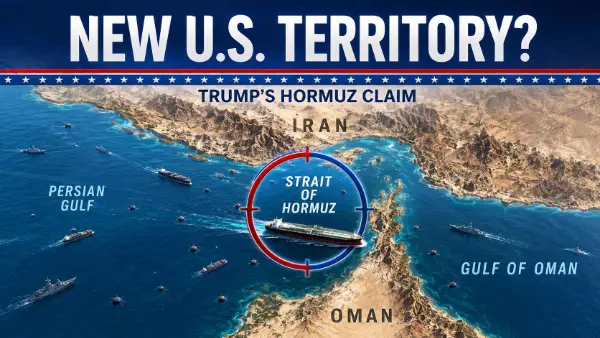
Financial markets also reacted to the renewed tensions. Energy prices moved higher amid concerns about stability in the region and the potential impact on global oil supplies and key shipping routes. Analysts noted that prolonged instability could create additional uncertainty for international markets already facing geopolitical pressures.
For now, the key question remains whether diplomacy can regain momentum. Trump has indicated that a potential agreement with Iran could be reached within days if both sides refrain from further military escalation. However, Israeli military officials have stated they remain prepared to respond if additional attacks occur.
As negotiations continue, the situation remains highly fluid. With military forces on alert and diplomatic channels still active, governments across the Middle East and around the world are closely monitoring developments in hopes of preventing a broader regional confrontation.
 News Staff
 -
-
World at War
Middle East war
U.S. President Donald Trump
Benjamin Netanyahu
-
763 views -
0 Comments -
0 Likes -
0 Reviews
-
-
World at War
Middle East war
U.S. President Donald Trump
Benjamin Netanyahu
-
763 views -
0 Comments -
0 Likes -
0 Reviews




 Loading ...


