Iran Warns of ‘All-Out War’
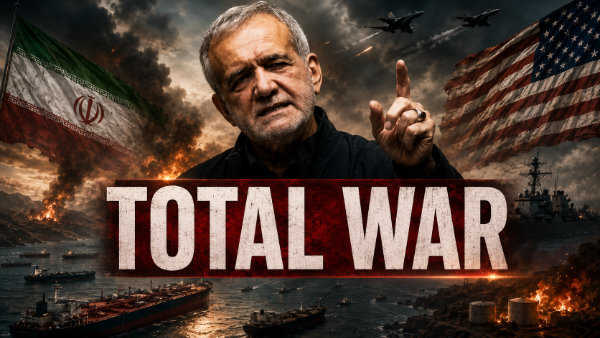
TEHRAN — Iranian President Masoud Pezeshkian said Monday that his country was facing an “all-out war” after the United States carried out a ninth consecutive night of heavy airstrikes across Iran, further escalating a conflict that has already spread across the Middle East and disrupted shipping through the Strait of Hormuz.
“The reality is that the Islamic Republic of Iran is facing an all-out war today,” Pezeshkian said, accusing the United States of leading the military campaign against his country.
The latest American attacks were no longer limited to Iran’s southern regions. Iranian authorities reported strikes against targets in the center and northwest of the country, including the area around Tabriz. Officials said at least one person was killed there and several others were injured.
Iranian media also reported renewed attacks in Bushehr, where the country’s only operational nuclear power plant is located, as well as near the unfinished Darkhovin nuclear facility. There was no immediate indication that either reactor had been directly damaged. Independent verification of developments inside Iran remained difficult as the fighting continued.
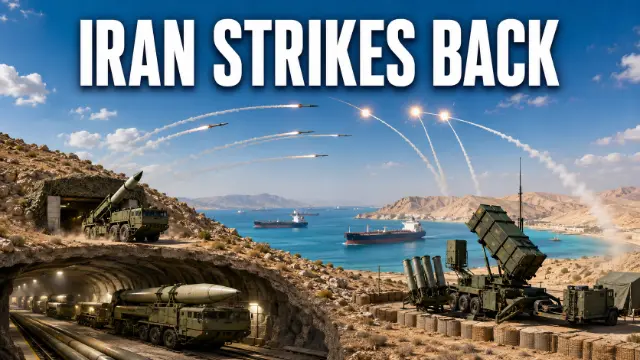
U.S. President Donald Trump said Iran had once again been “hit very hard.” He described the latest wave of strikes as retaliation for the deaths of American military personnel killed in recent Iranian attacks.
According to U.S. officials, two American soldiers were killed in an Iranian attack in Jordan, while another service member died in Iraq. U.S. figures indicated that 17 American military personnel had been killed since the conflict began on February 28.
Iranian authorities said at least 50 people had been killed and more than 500 injured during the latest phase of the American campaign. Those casualty figures could not be independently confirmed.
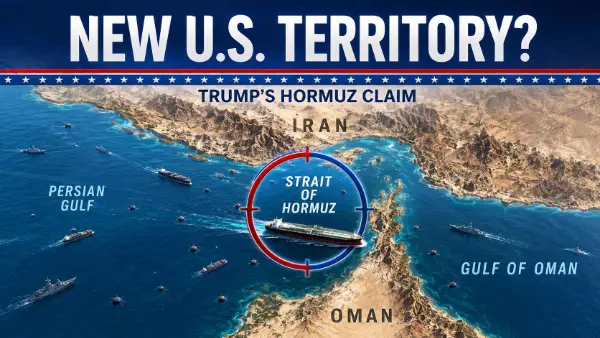
The confrontation was also intensifying around the Strait of Hormuz, one of the world’s most important energy shipping routes. Iran’s Islamic Revolutionary Guard Corps said two tankers experienced explosions while attempting to pass through the waterway and were later detained.
The United Kingdom Maritime Trade Operations organization separately reported that a commercial vessel had caught fire after being struck by a projectile. It remained unclear who was responsible for that attack.
Iranian Foreign Ministry spokesman Esmaeil Baghaei defended Tehran’s actions in the strait, saying Iran could not allow the waterway to be used to threaten its security and national interests.
U.S. Secretary of State Marco Rubio called on other countries to cooperate with Washington in protecting international shipping and restoring safe passage through the region.
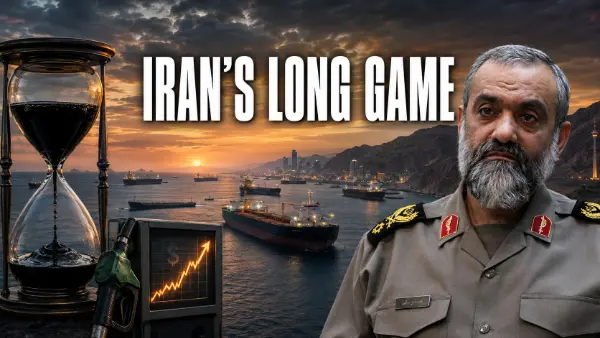
Before the conflict, approximately one-fifth of the world’s traded oil and natural gas passed through the Strait of Hormuz. Continued disruption or a prolonged closure could place additional pressure on global fuel supplies, shipping costs and energy prices.
With airstrikes expanding deeper into Iran and attacks on commercial vessels continuing, fears were growing that the conflict could widen further and draw additional countries into the confrontation.
 Max Liebermann
 -
-
World at War
President Masoud Pezeshkian
“all-out war”
-
399 views -
0 Comments -
0 Likes -
0 Reviews
-
-
World at War
President Masoud Pezeshkian
“all-out war”
-
399 views -
0 Comments -
0 Likes -
0 Reviews



 Loading ...


