JTFactsMax
Global Shipping’s New Traffic Jam: When Superpowers Start Playing “Mine’s Bigger”
In a world already watching the fragile chess match around the Strait of Hormuz, another maritime flashpoint is quietly tightening its grip—this time in the South China Sea. And if global trade had a pulse, it might be checking its blood pressure right about now.
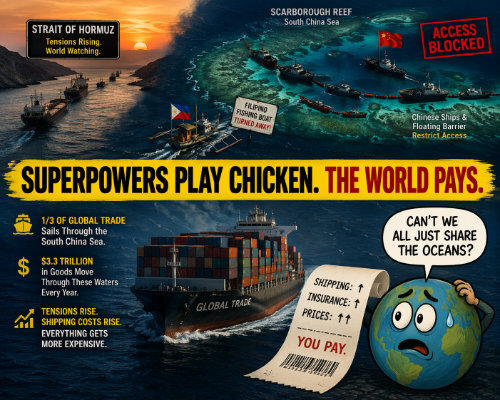
Recent satellite imagery and multiple international reports confirm that Chinese vessels have increased their presence around Scarborough Reef, a contested atoll roughly 220 kilometers off the Philippine island of Luzon. The images suggest not just patrol activity, but the use of ships and floating barriers that effectively restrict access to the reef—particularly impacting Filipino fishing and supply vessels.
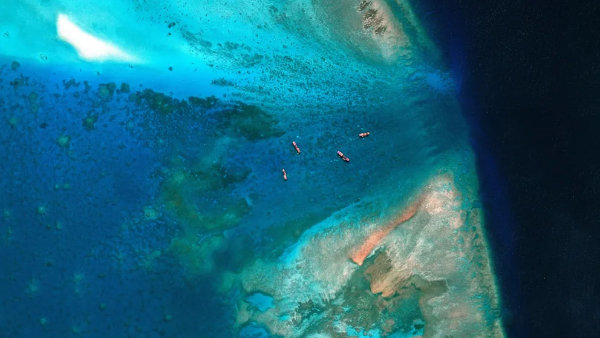
China claims historical rights to the area, while the Philippines asserts the reef lies within its internationally recognized Exclusive Economic Zone, a position supported by a 2016 ruling under the Permanent Court of Arbitration—a ruling Beijing continues to reject.
While comparisons to a formal “blockade” should be used carefully—no official closure of international shipping lanes has been declared—the pattern is clear: restricted access, rising tensions, and a slow tightening of control in a region critical to the global economy.
And that’s where things get serious.
Roughly one-third of global maritime trade—valued at over $3 trillion annually—passes through the South China Sea. Any disruption, even the perception of instability, has ripple effects. Insurance premiums rise. Shipping routes adjust. Costs climb. Eventually, that ripple reaches the checkout line—whether in Berlin, Boston, or right here in the Coachella Valley.
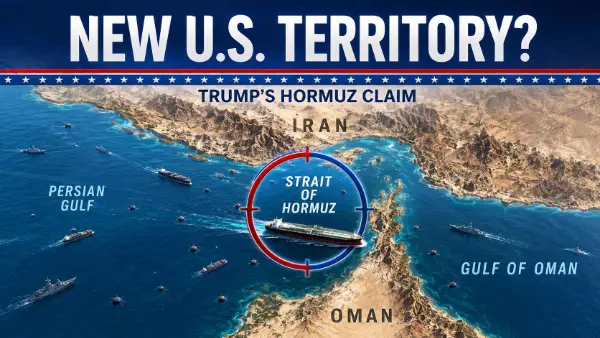
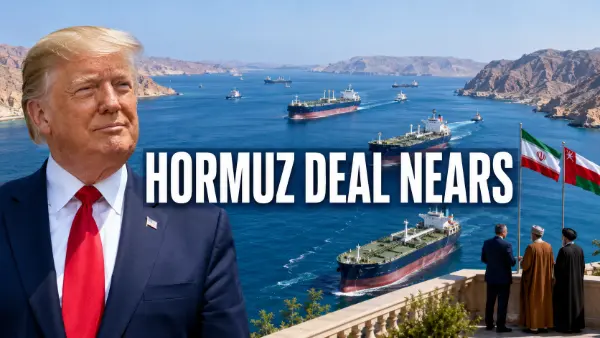
Meanwhile, tensions in the Strait of Hormuz—another vital artery for global oil shipments—add a second pressure point. The global economy now faces a scenario where two of its most important maritime corridors are under simultaneous geopolitical strain.
The irony is almost theatrical: while world leaders speak of stability and cooperation, strategic waterways are becoming high-stakes arenas of influence. If this trend continues, control of sea lanes risks becoming less about navigation—and more about negotiation by pressure.
Or, put more bluntly: when superpowers start treating shipping routes like reserved parking spots, the rest of the world ends up paying the valet.
And in today’s economy, that bill is already getting expensive.
 Max Liebermann
 -
-
World at War
Global Trade
China
South China Sea
Scarborough Reef
Blockade
-
803 views -
0 Comments -
0 Likes -
0 Reviews
-
-
World at War
Global Trade
China
South China Sea
Scarborough Reef
Blockade
-
803 views -
0 Comments -
0 Likes -
0 Reviews



 Loading ...


