JTFMax
Remembrance of Brigitte Bardot: When the Eiffel Tower Bowed
Saint-Tropez — The Eiffel Tower bows. The seagulls of Saint-Tropez fall quiet. A long golden chapter of European memory closes as Brigitte Bardot rests at 91. For many of us who grew up in postwar Europe, she was not simply a film star. She was a feeling. A season. A rebellion with bare feet.
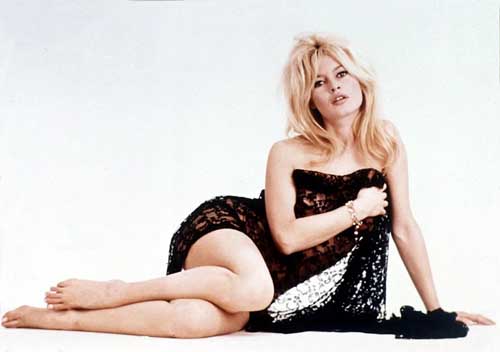
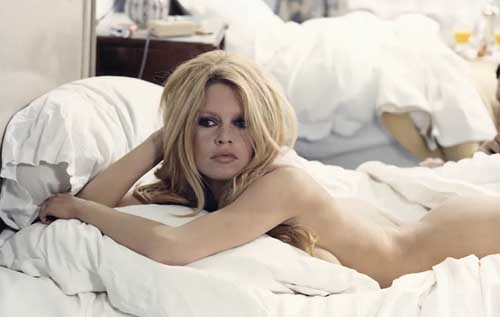
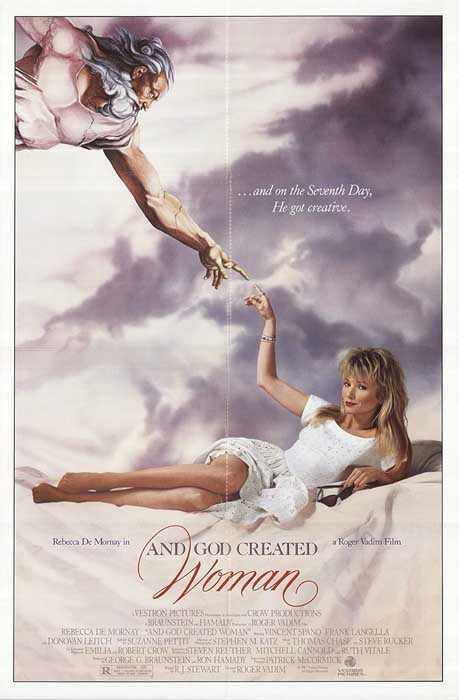
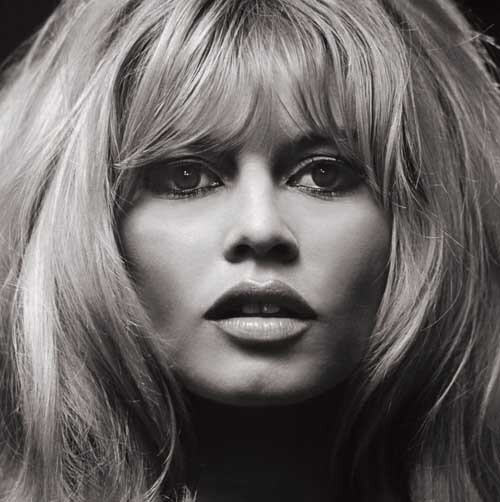
They called her a “Venus in jeans.” Blonde, sunlit, untamed. From And God Created Woman onward, Bardot did something new and shocking for her time: she belonged to herself. She carried sensuality without apology, youth without permission, and freedom without explanation. Even in old age—silver hair, familiar pout, still barefoot—she looked like a woman who had never asked the world for approval.
For half a century, “BB” watched the sun set from her villa above Saint-Tropez, seeing herself reflected in that daily ritual. She aged like an olive tree—creased, strong, honest. No Botox. No surgery. Champagne over cosmetics. Dogs over devices. “My dogs don’t care if I have wrinkles,” she once said. “I’m from the last century. I still write by hand.” She had no cellphone. No computer. Time did not own her.
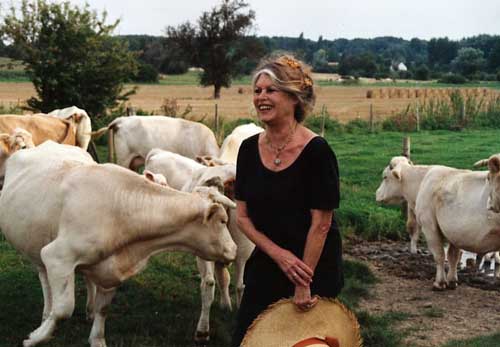
In her final television interview last May, she was unmistakably alive—black dress, dog at her side, laughter lines worn like medals. A flower tucked into a crown of gray hair. A whisper of Guerlain Mitsouko in the air. When the interview ended, she smiled and asked, “How about some champagne now?” That was Bardot: life, not nostalgia.
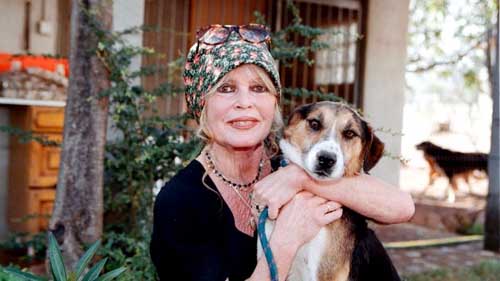
She was the erotic rebel of the 1960s—before fear, before filters, before everything became regulated and recorded. Writer Marguerite Duras once marveled at her fearless appetite for life. Bardot herself summed it up best: “I was always the man of my life.”
Her loves were legendary. Director Roger Vadim, musician Serge Gainsbourg, and the famously short, dazzling marriage to German playboy Gunter Sachs, who once rained roses over her villa from a helicopter. Excess never impressed her. Feeling did.
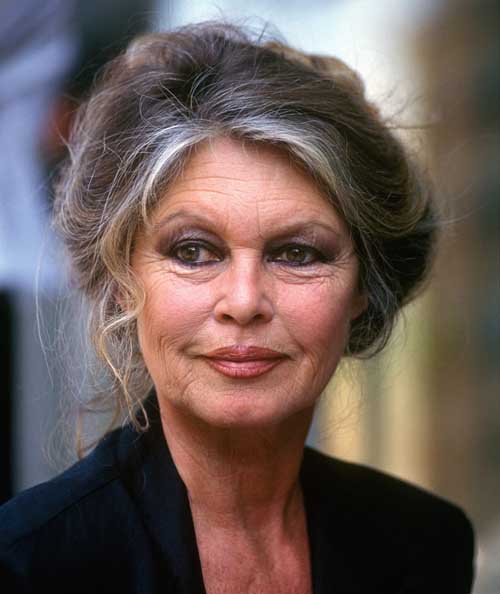
At 38—at the height of global fame—she stopped. Walked away. Ended one life to begin another. Bardot devoted herself to animals with the same intensity she once gave to cinema, founding her animal-welfare organization and living simply with her fourth husband, Bernard d’Ormale, and dozens of rescued animals. “I don’t really belong to the human species,” she said. “I have the appearance of a human, but the soul of an animal.”
She was controversial, unapologetic, sometimes uncomfortable—never indifferent. She loved fiercely, suffered deeply, and refused to soften herself for history. Fame, she believed, was both gift and prison. Yet she regretted nothing.
From a clinic overlooking the bay of Toulon, she once watched the sun sink into the sea and said she felt protected. Religious. Ready.
Two fading suns smiled at one another—and set.
Brigitte Bardot leaves behind more than films or photographs. She leaves a memory of freedom, of fearless beauty, and of a Europe that once dared to live out loud.



Comments