Van Gogh and the $180 Million Question
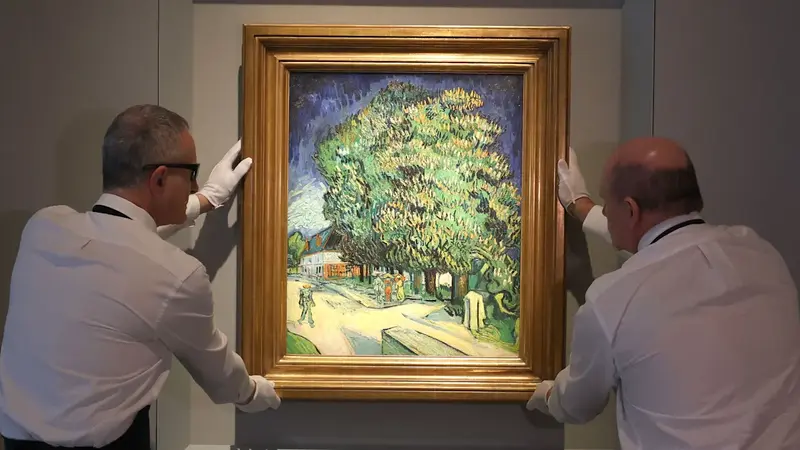
In May 1890, Vincent van Gogh wrote to his brother Theo that he had finished “a study of chestnut trees.”The painting shows three women with parasols beneath the blossoms in Auvers-sur-Oise, a village northwest of Paris. Van Gogh died that July at 37. Sotheby’s has scheduled the canvas for auction in New York on Wednesday, Nov. 18, with a reported estimate of about $180 million. Add the buyer’s premium and the bill could reach $207 million. The art market can be generous once it’s had 136 years to think things over.
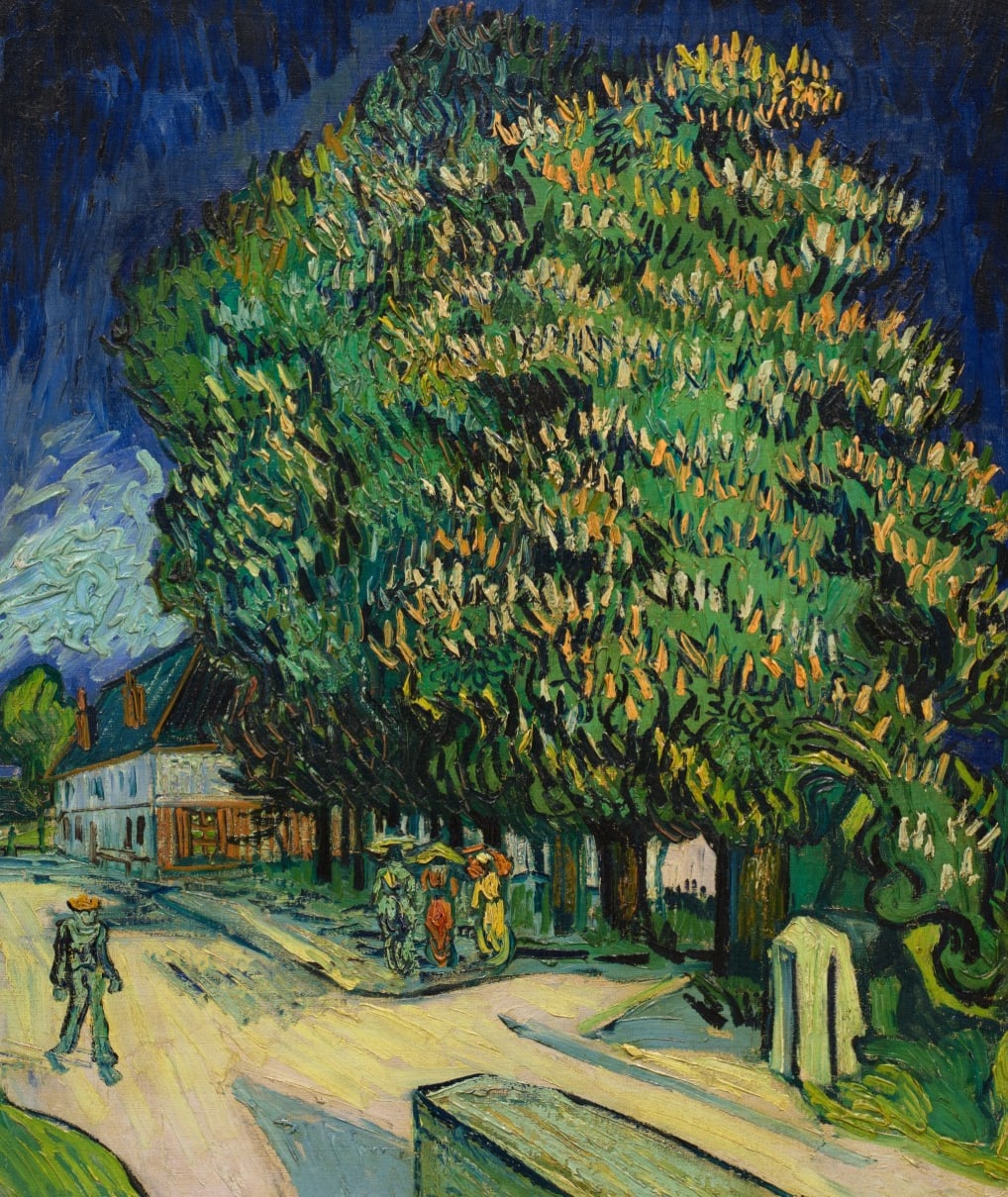
Powerful brushstroke: The star painter, who was not very successful during his lifetime, painted the work, measuring only 70 x 58 cm, in May 1890 near Paris, a few weeks before his death at the age of 37.
Van Gogh did sell paintings during his lifetime. Belgian artist Anna Boch paid 400 francs for The Red Vineyard. Today, his Orchard with Cypresses holds his auction record at $117.18 million, including the buyer’s premium, at Christie’s in 2022.
How does a painting become worth that much? Start with a reputation that grew after the artist died and a supply that could only shrink as museums acquired his work. Only eight of Van Gogh’s roughly 50 Auvers landscapes remain in private hands. When one comes up for sale, a handful of wealthy collectors can set the price by seeing who’s willing to keep bidding. The seller gets the proceeds, the auction house collects its fees, and Vincent has already put in his hours.
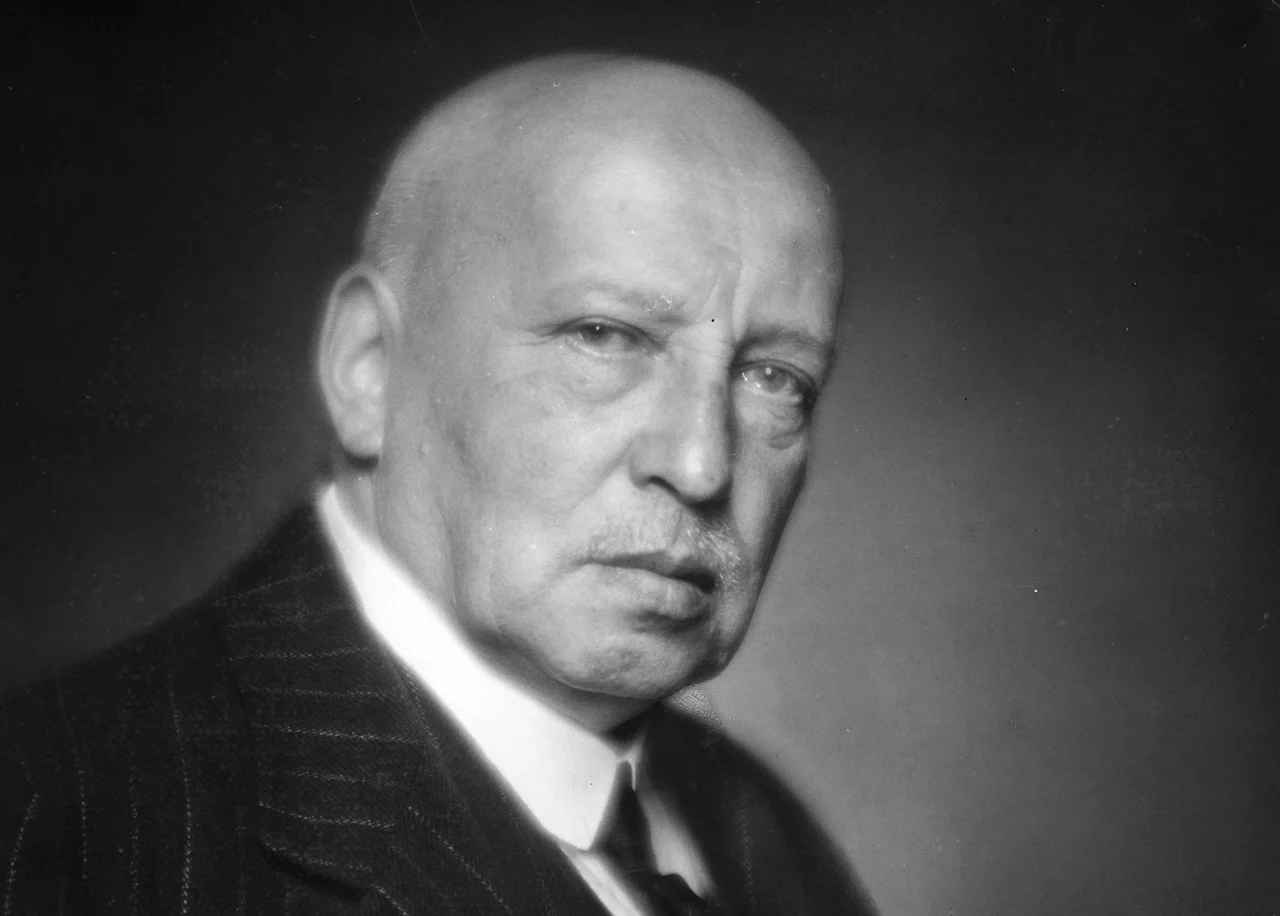
The founder of the publishing house, Samuel Fischer (1859-1934), had bought the work of art in 1909
What the auction price can’t tell us is what happened when Blossoming Chestnut Trees changed hands in 1936. Samuel Fischer, a Jewish publisher in Berlin, bought it in 1909. As the Nazis tightened their grip, writers his company published were banned, and his son-in-law left Berlin for Vienna. Fischer’s heirs say Nazi persecution drove the family to sell through an Amsterdam dealer. They’ve asked Sotheby’s to halt the auction. The auction house says its research has yet to establish that the sale was made under duress. The canvas passed through several hands before Argentina’s Blaquier-Arrieta family acquired it in 1975.
On Wednesday, the bidding may show exactly how much someone is willing to pay for those chestnut trees. The question the Fischers are asking is whether their family was free to walk away from the sale in 1936.
 Max Liebermann
 -
-
Arts & Culture
Van Gogh
a study of chestnut trees.”
Sotheby’s
$180 million
-
79 views -
0 Comments -
0 Likes -
0 Reviews






 Loading ...


