DLNews Law Enforcement
Epstein’s Final Hours Reconstructed as FBI Files Detail Jailhouse Failures
New York — Nearly six years after the death of Jeffrey Epstein, newly released FBI records, internal prison documents, and photographic evidence are offering the clearest official reconstruction yet of what happened inside his Manhattan jail cell during the final hours of his life.
The findings do not introduce sensational twists or outside suspects. Instead, they paint a sobering picture of missed checks, staffing lapses, and procedural breakdowns inside one of the federal system’s most secure detention facilities.
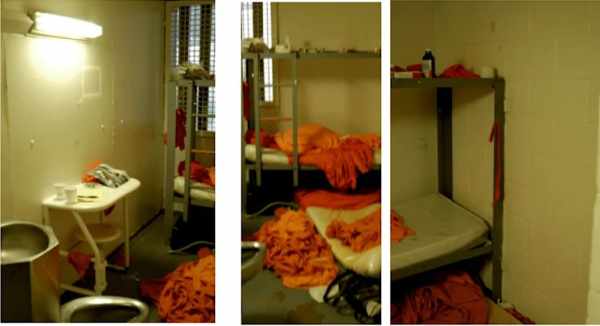
Epstein, the wealthy financier and convicted sex offender facing federal charges for the alleged trafficking and abuse of minors, was arrested on July 6, 2019, and housed at the Metropolitan Correctional Center in Lower Manhattan. If convicted, he faced the possibility of spending the rest of his life in prison.
According to the newly reviewed documents, Epstein told psychological evaluators he did not have suicidal thoughts. Still, officials considered him high risk due to the intense media scrutiny surrounding his case and the severity of the charges.
On July 10, he was assigned a cellmate, Nicholas Tartaglione, a former police officer later convicted in an unrelated quadruple homicide case. Weeks later, on July 23, Epstein was found on the floor of his cell with neck injuries. He claimed his cellmate had attacked him. Tartaglione denied it. Epstein was briefly placed under suicide watch but returned to a standard cell after roughly 30 hours. Although Epstein had previously shared a cell earlier in his detention, records confirm he was housed alone the night of his death.
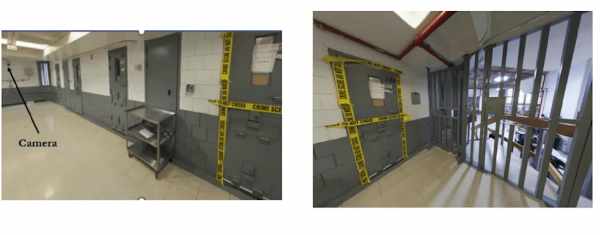
On August 9, Epstein appeared in court and later made a short phone call — his last known contact with the outside world.
The night that followed has since become central to ongoing public scrutiny.
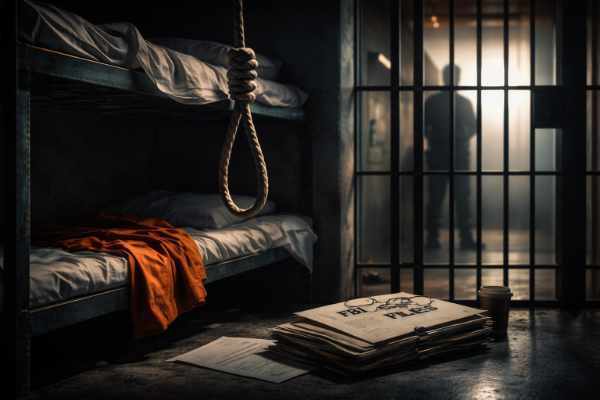
Records show that required inmate checks scheduled for approximately 3 a.m. and 5 a.m. were not completed. Staff later acknowledged the lapses. At 6:33 a.m., officers reported a medical emergency. Epstein was found unresponsive in his cell, apparently hanging.
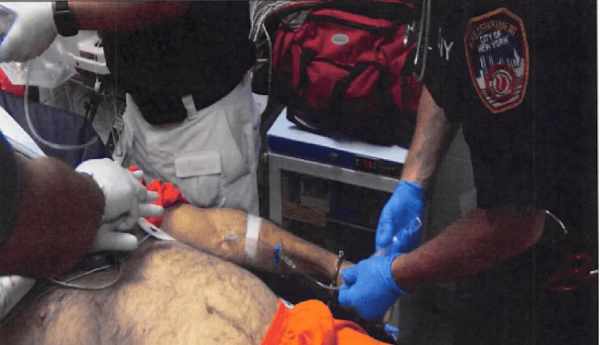
He was transported to the facility infirmary and then to New York Downtown Hospital, where he was pronounced dead at 7:36 a.m.
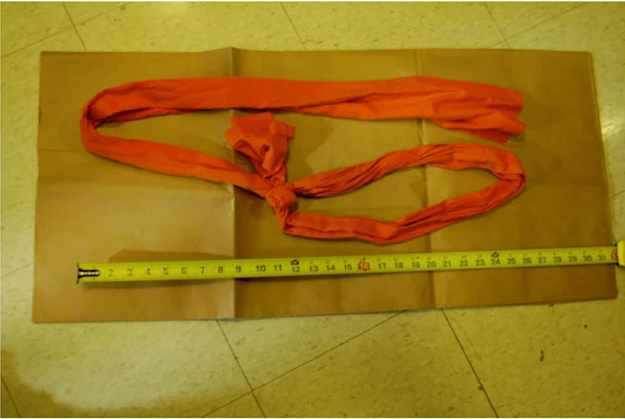
Photographs and medical reports released in the review document unsuccessful resuscitation attempts and visible ligature marks. A CT scan showed fractures to the cervical spine consistent with hanging. The New York City medical examiner ruled the death a suicide.
Despite that conclusion, public doubts have lingered for years, fueled largely by the documented breakdowns in jail procedures rather than by confirmed evidence of outside involvement. To date, investigators have reported no proof supporting claims that Epstein was killed or silenced.
What the files ultimately show is less cinematic and perhaps more troubling: not a complex plot, but a chain of preventable institutional failures.
For many observers, that reality — a high-profile inmate left without proper monitoring inside a federal jail — remains troubling enough on its own.
Sometimes the story isn’t mystery.
It’s negligence.
 News Staff
 -
-
Law Enforcement
FBI Epstein's final hours
-
2.8K views -
0 Comments -
0 Likes -
0 Reviews
-
-
Law Enforcement
FBI Epstein's final hours
-
2.8K views -
0 Comments -
0 Likes -
0 Reviews





 Loading ...


